World's Most Bizarre and Brilliant Cycling Laws
The world's most bizarre and brilliant cycling laws — from banned gargling and 4.5-metre flags to cities that shut down for bikes and green waves for cyclists.

Lan
Published March 5, 2026
Edited March 5, 2026
9 min read
Quick links
Don't want to read all this?
We've planned 800+ cycling trips. Send your dates, fitness and group size — we'll map the route and book every night.
You're cruising through the Arizona desert, the sun on your face, the wind in your hair — and you decide to freshen up with a quick gargle of mouthwash.
Congratulations. You've just broken the law.

If you think we're just having a laugh, we are not.
The world of cycling legislation is a strange place. Some rules make perfect sense. Some make you question whether the lawmakers had ever actually seen a bicycle.
We've scoured the globe for the most bizarre, baffling, and occasionally brilliant cycling laws out there. Some will make you laugh. Some will make you grateful for where you live. And a few might actually keep you out of trouble on your next cycling holiday.
Buckle up.
Part One: The Gloriously Absurd
1. Missouri: The 4.5-Metre Fluorescent Flag
In 2016, Missouri once proposed a law requiring all cyclists to install a 15-foot tall pole on their bikes — topped with a fluorescent flag. That's 4.5 metres. Taller than most ceilings. The idea? Make cyclists more visible to trucks.
The practical questions are endless. Where do you store such a bike? How do you ride under bridges? What happens in a crosswind?
Thankfully, this proposition was dropped, and Missouri cyclists were spared from becoming mobile flagpoles.
2. South Dakota: Dismount for Every Car
Not to be outdone, South Dakota legislators proposed that cyclists must dismount completely whenever a vehicle approaches.
Every. Single. Time.
On a busy road, you'd essentially be walking your bike the entire way. The cycling community was, shockingly, not thrilled. The bill was dropped.

3. Connecticut: No Cycling Faster Than 65 mph
On the other end of the spectrum, Connecticut made it illegal to cycle faster than 65 mph (105 km/h).
Who exactly are they worried about?
For context: the fastest speed ever recorded at the Tour de France was 101.5 km/h — on a screaming descent from Col de Vars. Connecticut is famously flat.

4. Los Angeles: No Cycling in Swimming Pools
This law exists. Someone, at some point, made it necessary.
I have questions. Were they fully submerged? Snorkeling? Cruising the shallows in flip-flops? The mechanics of this prank remain unclear.
What I do know: if you're anywhere outside L.A., feel free to try it and report back.

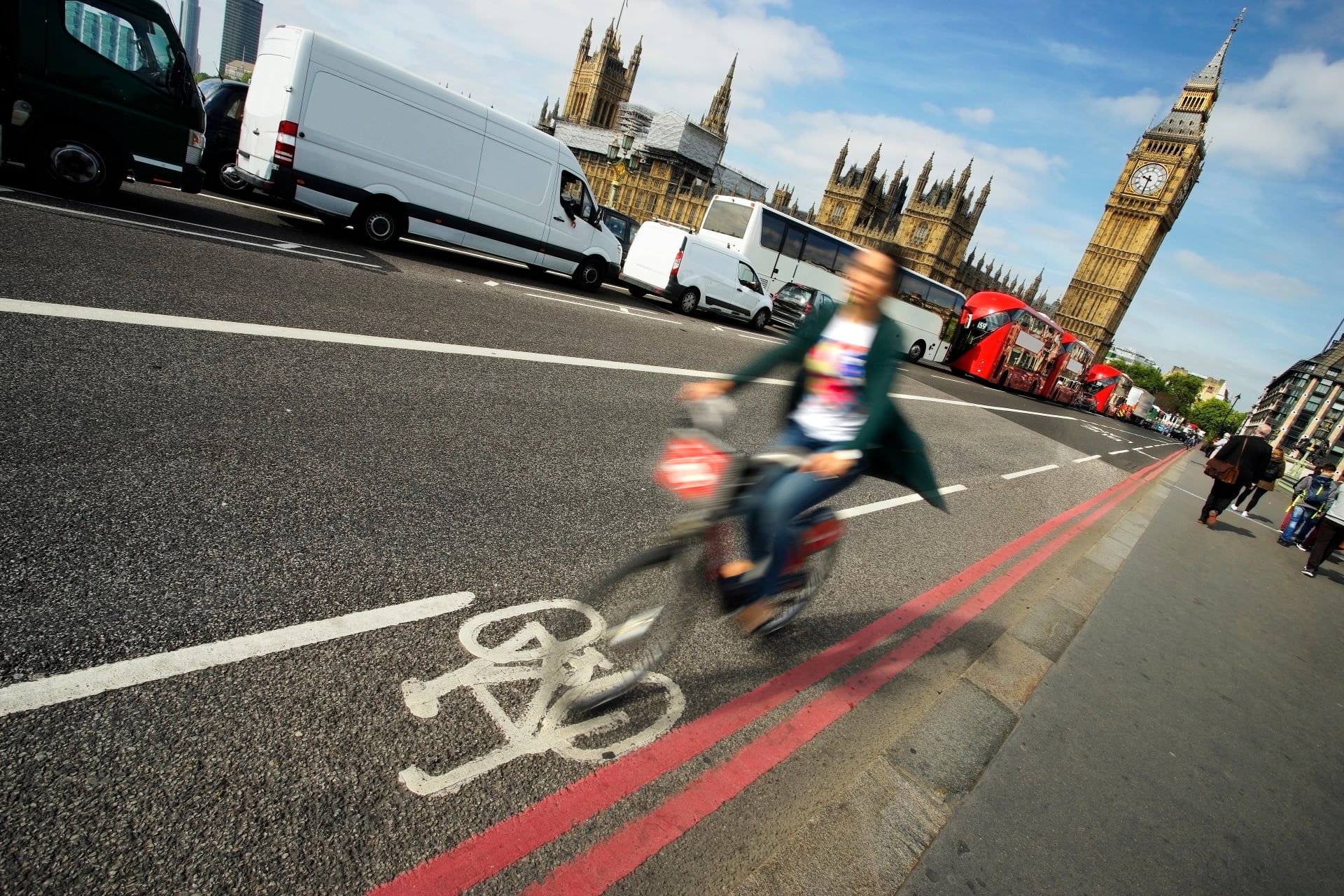
5. London: Speed Limit of 8 mph
For many commuters, cycling beats the alternatives because it's fast. No traffic jams. No squishing against strangers on the Tube.
Except in parts of London, where the speed limit for cyclists is 8 mph (13 km/h).
I can run faster than that. Most joggers can run faster than that. This isn't cycling — it's aggressive loitering on wheels.
6. Arizona: No Gargling While Cycling
Dentists, look away.
In Peridot, Arizona, it is illegal to use mouthwash while riding your bike.
I have no idea why this law exists. I have no idea who was gargling so aggressively on their morning commute that legislation became necessary. But here we are.
Flossing, presumably, remains legal. For now.

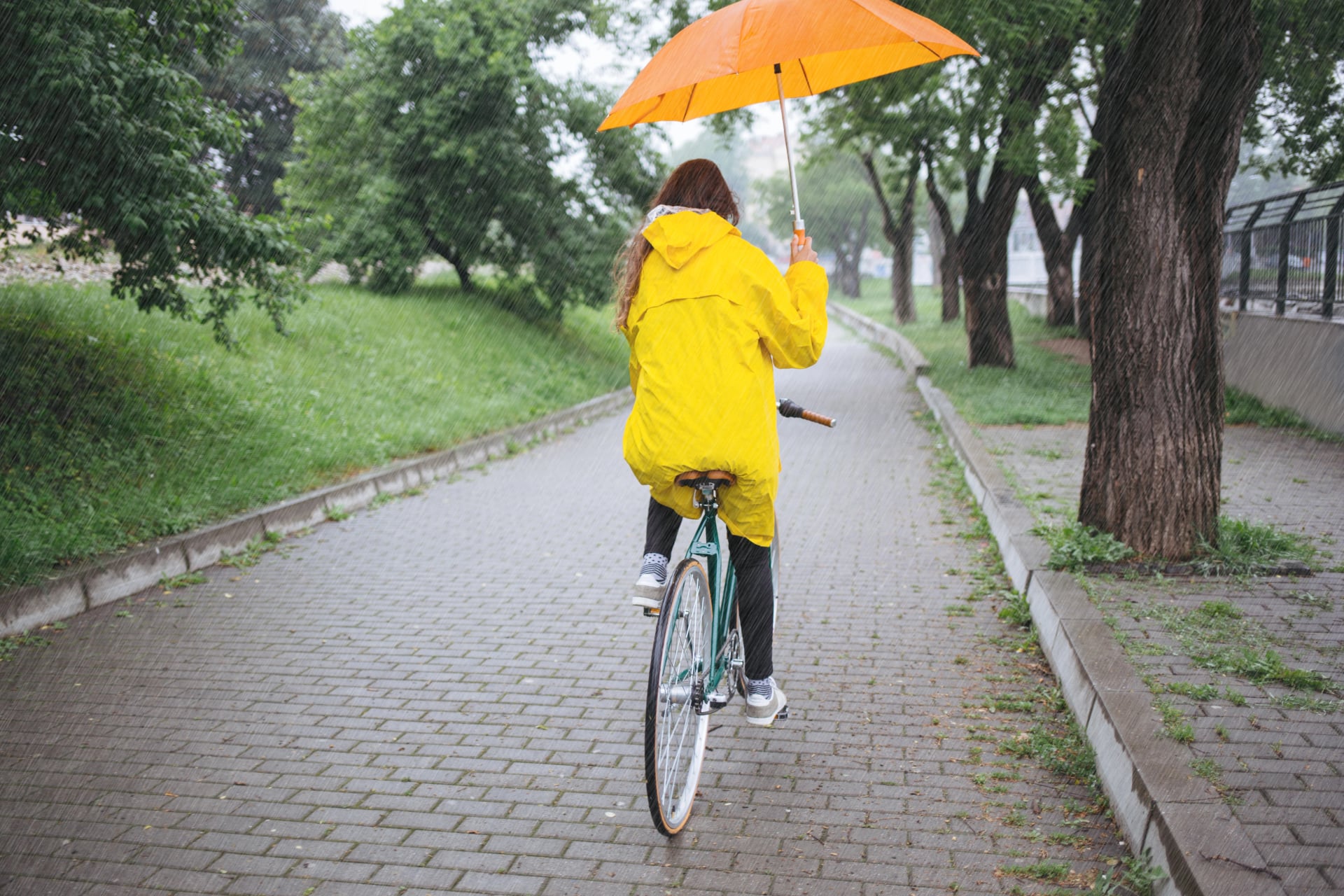
7. Japan: No Umbrellas, No Puddle-Splashing, No Headphones
Japan doesn't mess around. There are 113 cycling violations on the books.
Some highlights:
Cycling with an umbrella? Illegal.
Splashing a pedestrian with a puddle? Fineable.
Using headphones? Nope.
Two people on a single-seat bike? Absolutely not.
8. Australia: One Hand on the Bars at All Times
Sounds reasonable — until you've ridden in a group for five hours and need to zip up your jacket, unwrap a bar, or just give your hands a rest.
In Australia, cops can fine you for riding no-hands. Bad news for every six-year-old who wanted to impress their mum.
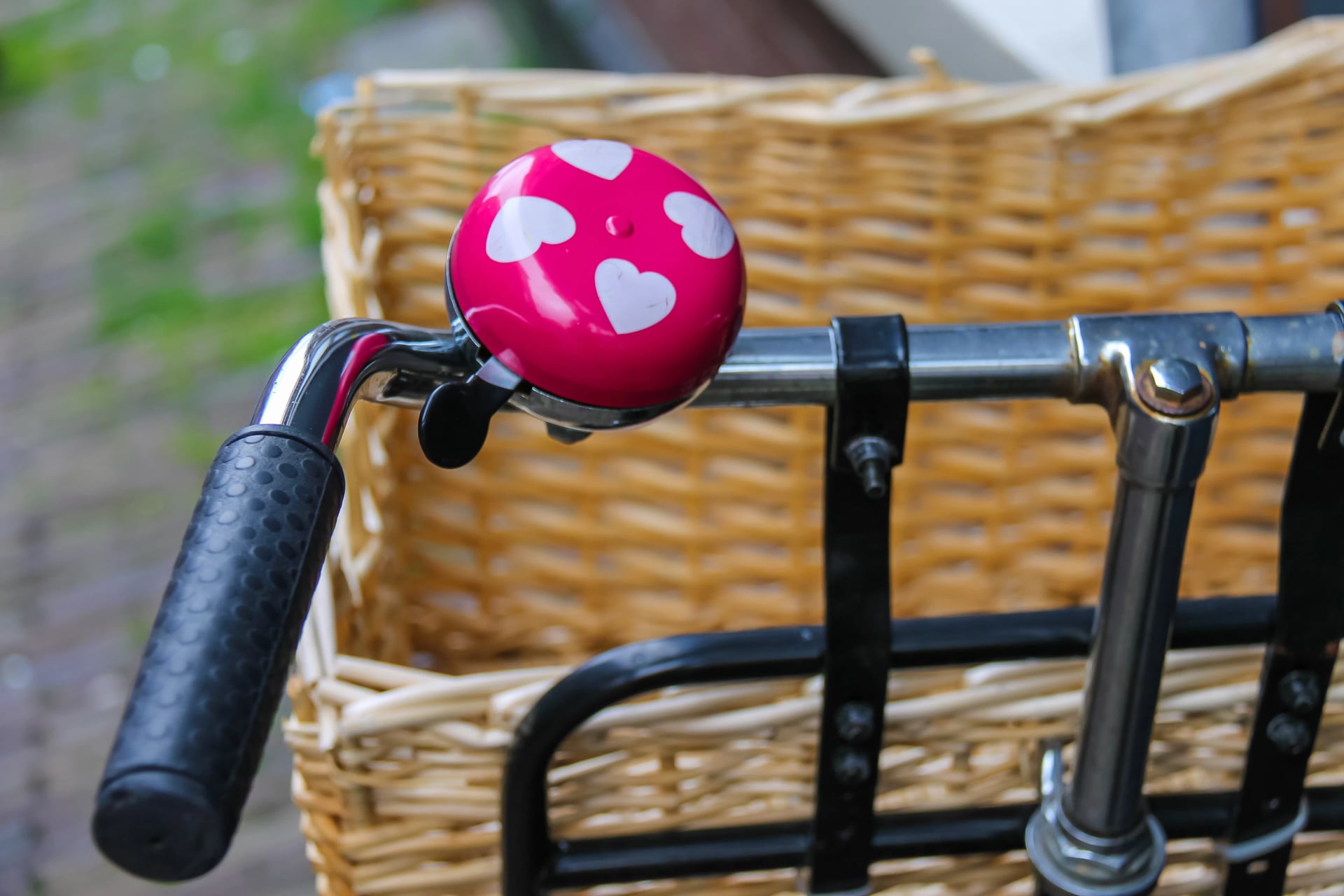
Also in NSW: no bell on your bike means an AU$106 fine. And they actually enforce it.
9. Switzerland: Absolutely No "No-Hands" Riding
The Swiss took Australia's rule and made it, well, very Swiss.
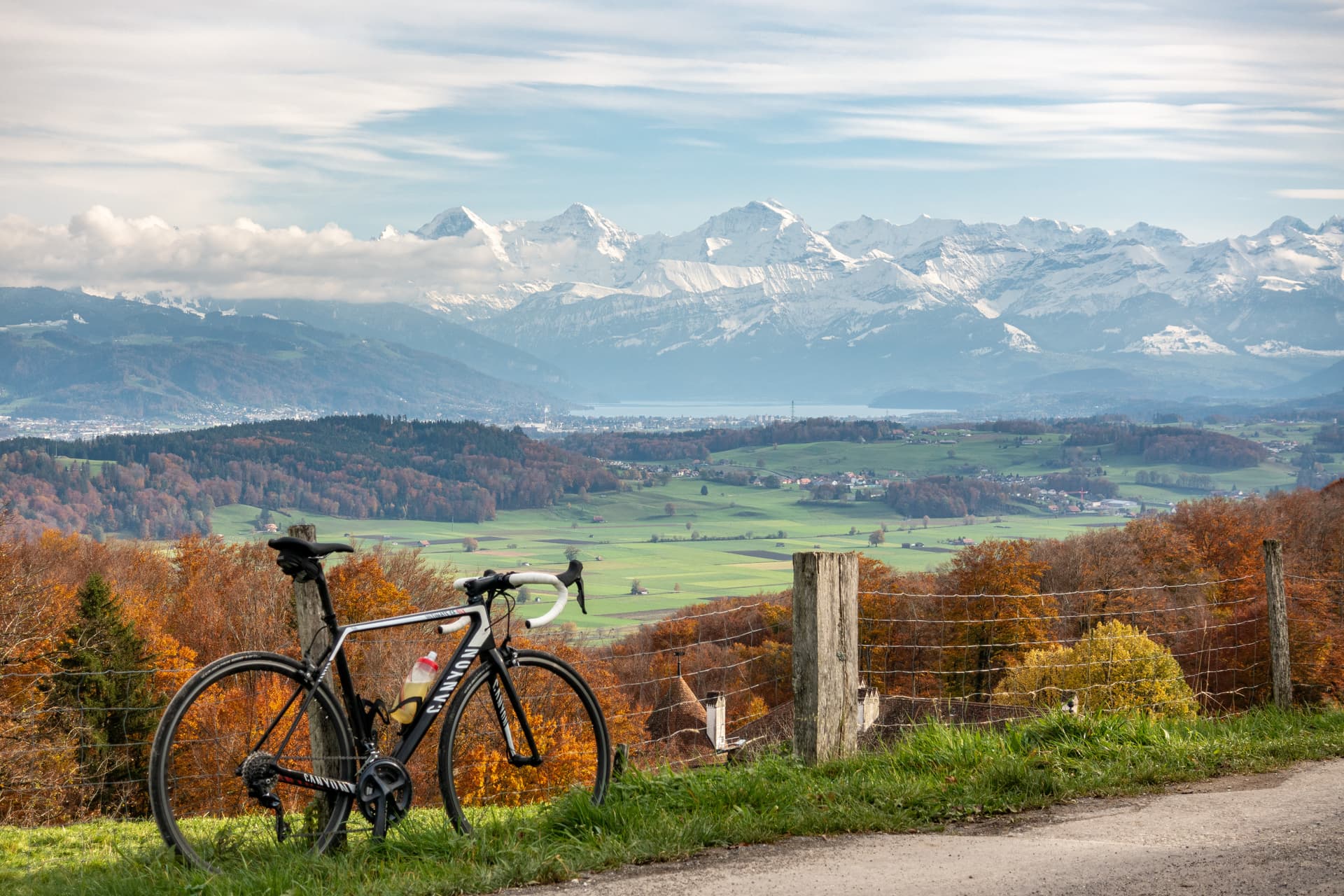
You must keep at least one hand on the handlebars at all times. No exceptions. No "just for a second." Police will fine you.
It's a small rule, but strictly enforced — which is about as Swiss as fondue and punctual trains.

Wish to cycle and send such a photo from Switzerland yourself? Explore our epic cycling holidays in this Alpine cycling gem!
10. Thailand: No Shirtless Cycling
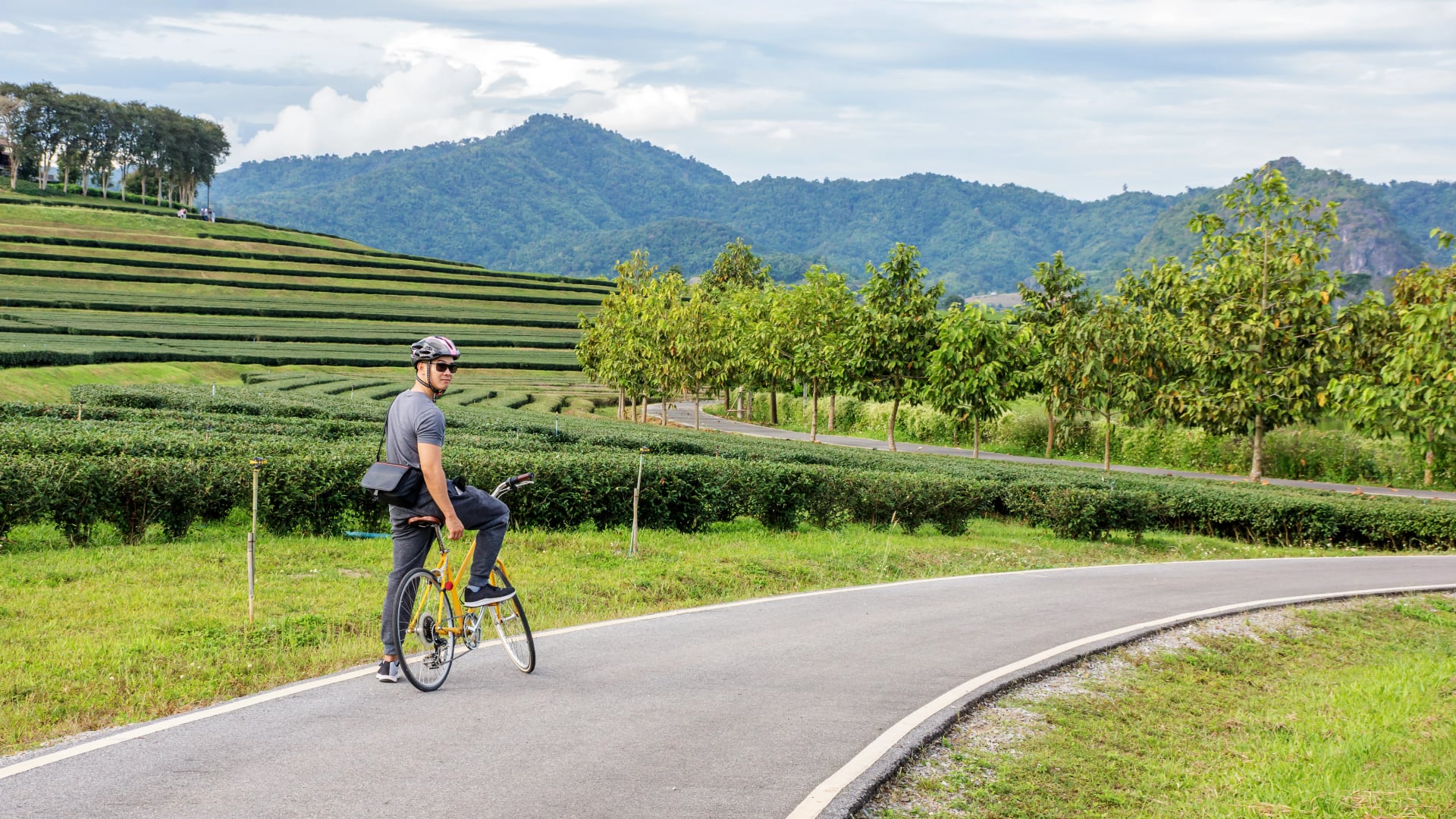
Tired of tourists treating their country like a permanent beach party, Thai authorities made it illegal to cycle (or drive) without a shirt.
The fine is about $5.
Part 2: The Surprisingly Brilliant
Not all cycling laws are absurd. Some are genuinely clever — and worth knowing before your next trip.
Denmark: The Green Wave
In Copenhagen, traffic lights on certain routes are synchronized for cyclists.
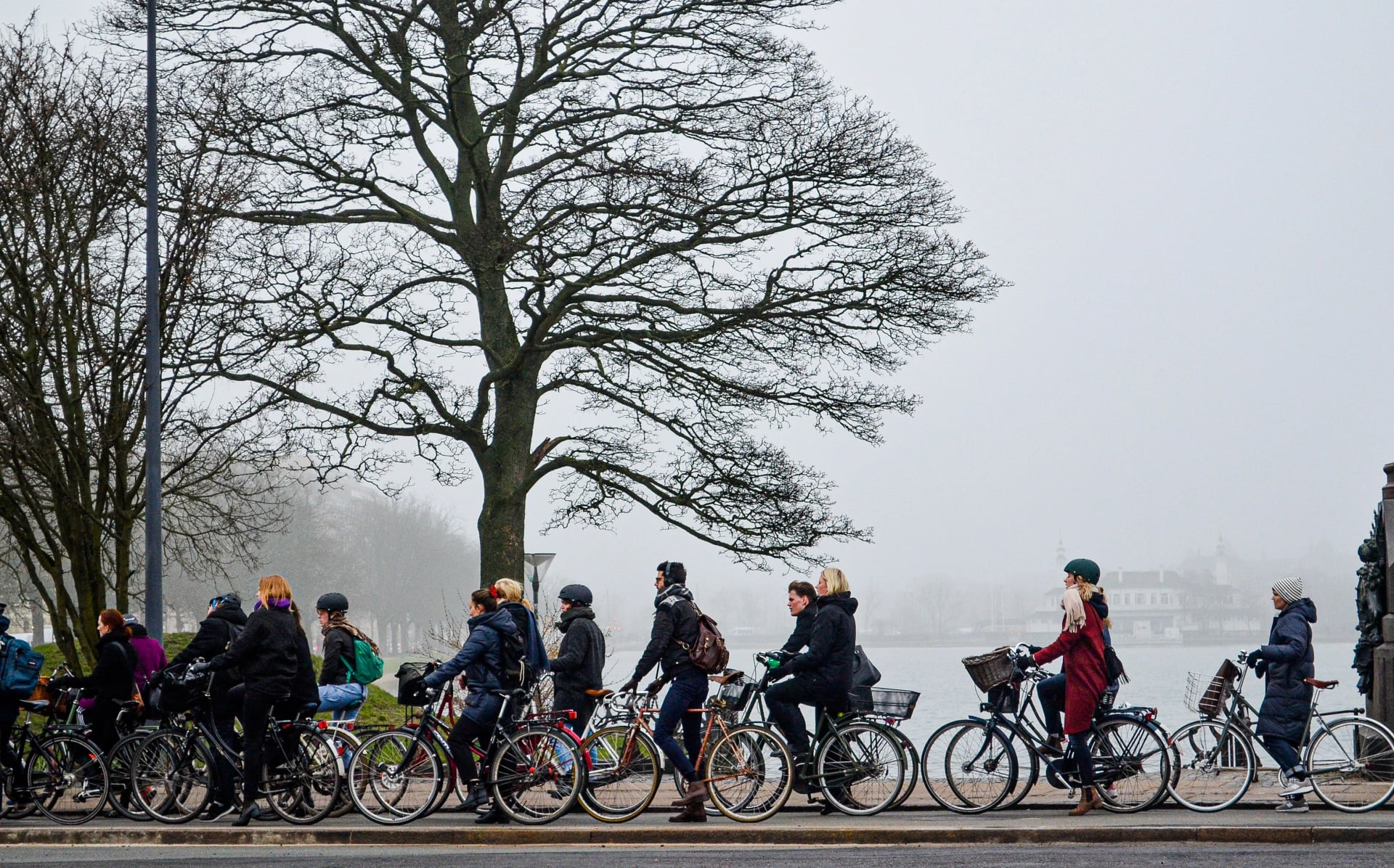
Ride at a steady 20 km/h, and you'll hit green light after green light. The city literally rewards smooth, efficient pedaling.
It's cycling infrastructure so good, it feels like a video game power-up.
No wonder Denmark is one of the most desirable cycling destinations in Europe — and a place we love running tours.
Colombia: Entire Cities Close for Cyclists
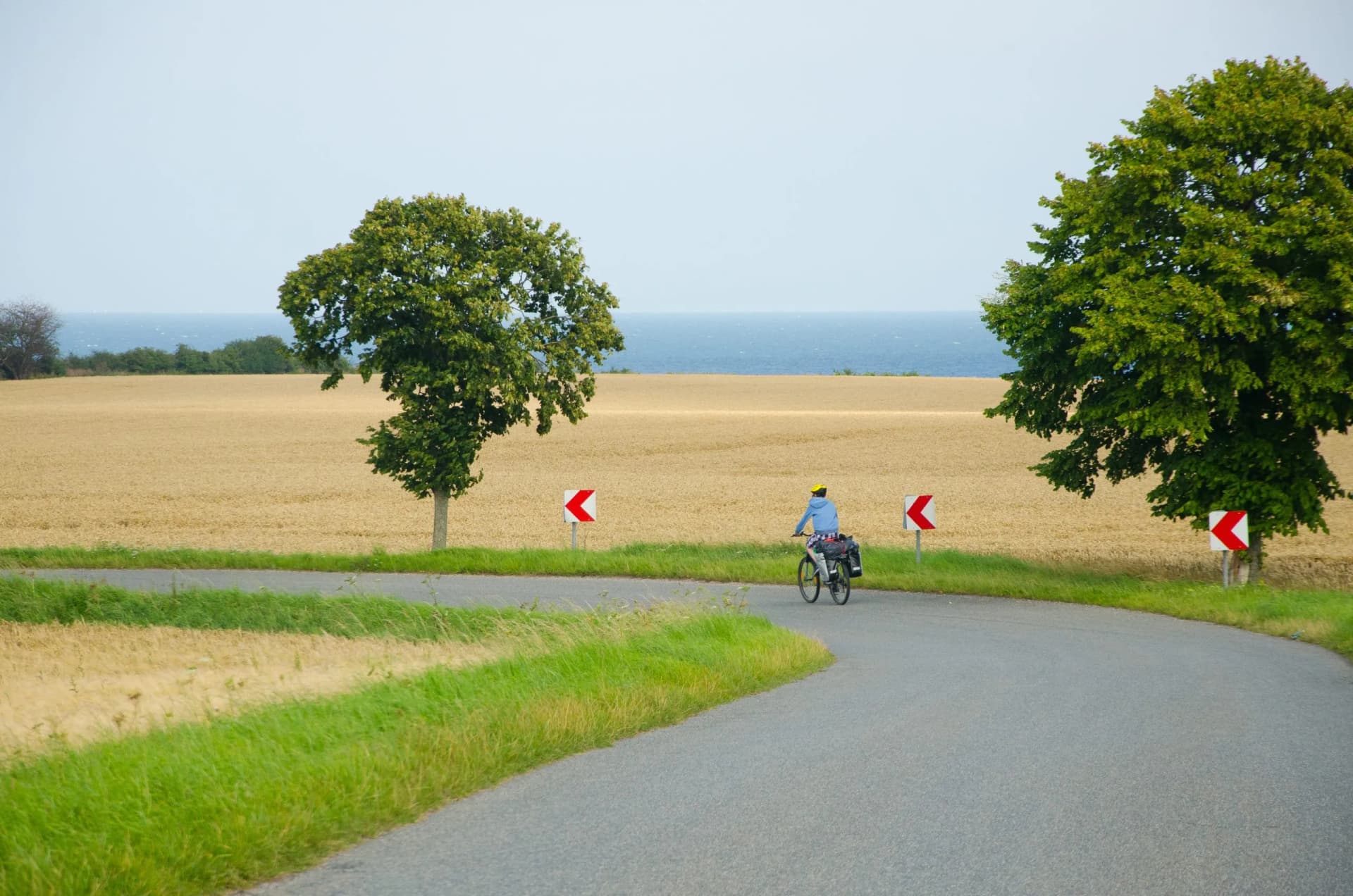
Every Sunday in Bogotá, over 100 km of roads close to cars for Ciclovía.
Major streets become bike highways, family promenades, and rollerblade playgrounds. It's not a quaint community event — it's a citywide ritual involving over a million people.

If you've never experienced car-free urban cycling at this scale, it's worth the trip.
Turn Right on Red (Yes, Really)
If planning a cycling holiday in France, Belgium, the Netherlands, or Denmark, you should know this: cyclists can turn right on red at marked intersections.
Most tourists don't know this. They sit waiting while locals breeze through. Look for the signage — usually a small yellow sign with a bike symbol — and save yourself unnecessary stops.
Drunk Cycling Can Cost Your Driving License
For a period, France required drivers to carry a breathalyzer — and cyclists aren't exempt from alcohol rules either.

Cycling drunk can lead to fines, and here's the kicker: you can lose your driving license because of a cycling offense.
Something to remember after that third glass of Burgundy.
Blue Circle = Mandatory Bike Lane
In Germany, Italy, and Switzerland, a bike lane marked with a blue circle sign means you must use it. Riding on the road is illegal.
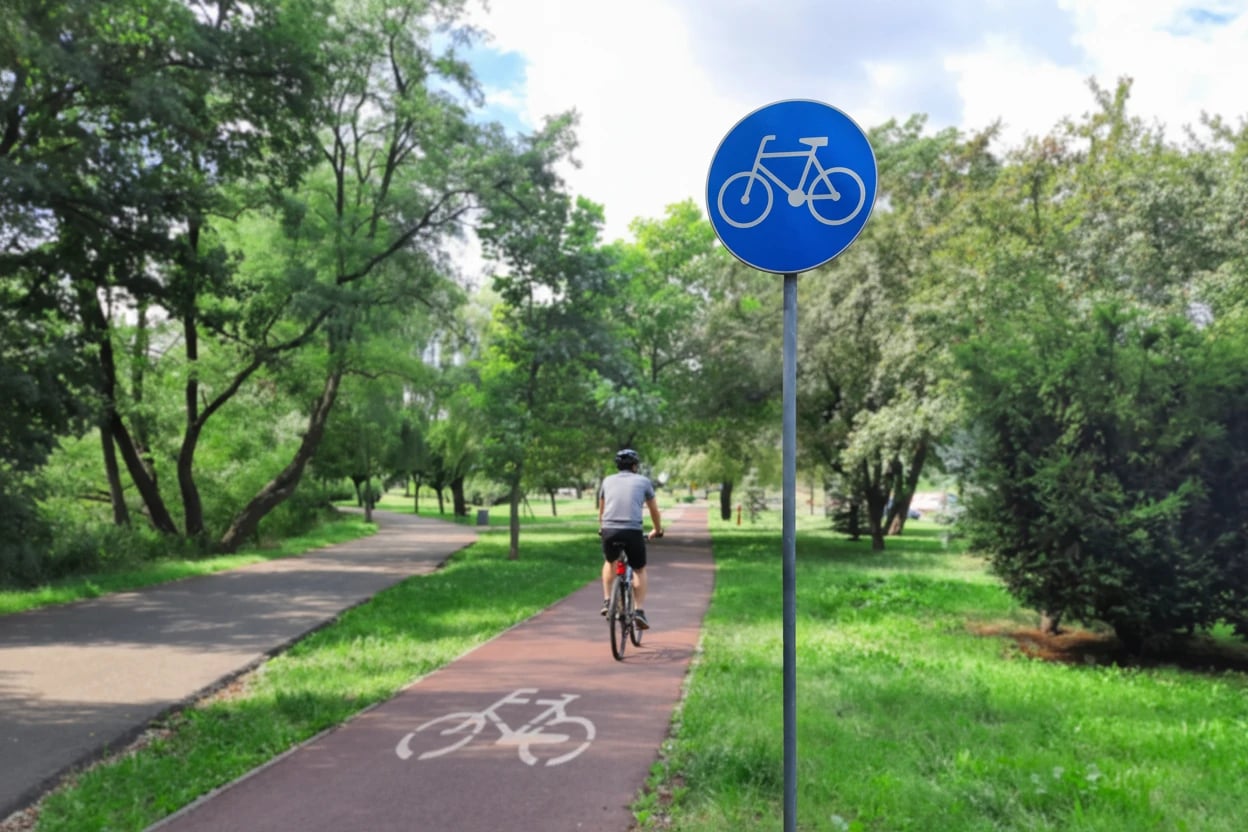
A blue square sign? That's optional.
Tourists constantly get this wrong. But if you're cycling with us, you won't need to worry — our GPS tracks keep you on the right path (legally speaking).
Strict Liability: Drivers Assumed at Fault
In Germany, the Netherlands, France, Denmark, Belgium, Sweden, and Austria, strict liability laws mean drivers are automatically assumed responsible if they hit a cyclist — unless they can prove the cyclist's behavior was completely unforeseeable.
This shifts the burden of proof and, more importantly, shifts driver behavior. It's one reason cycling feels safer in these countries.
"Preferencia Bici" Roads
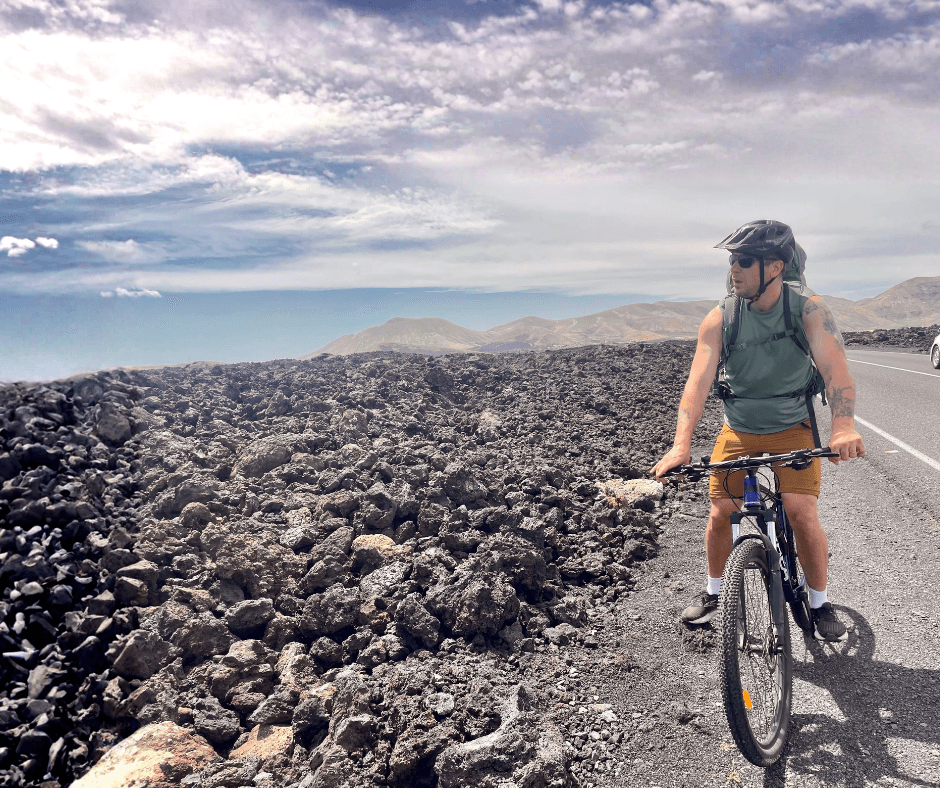
The volcanic island has taken cyclist-friendliness to another level. Spanish law already gives cyclists priority at roundabouts and crossings — but Lanzarote goes further.
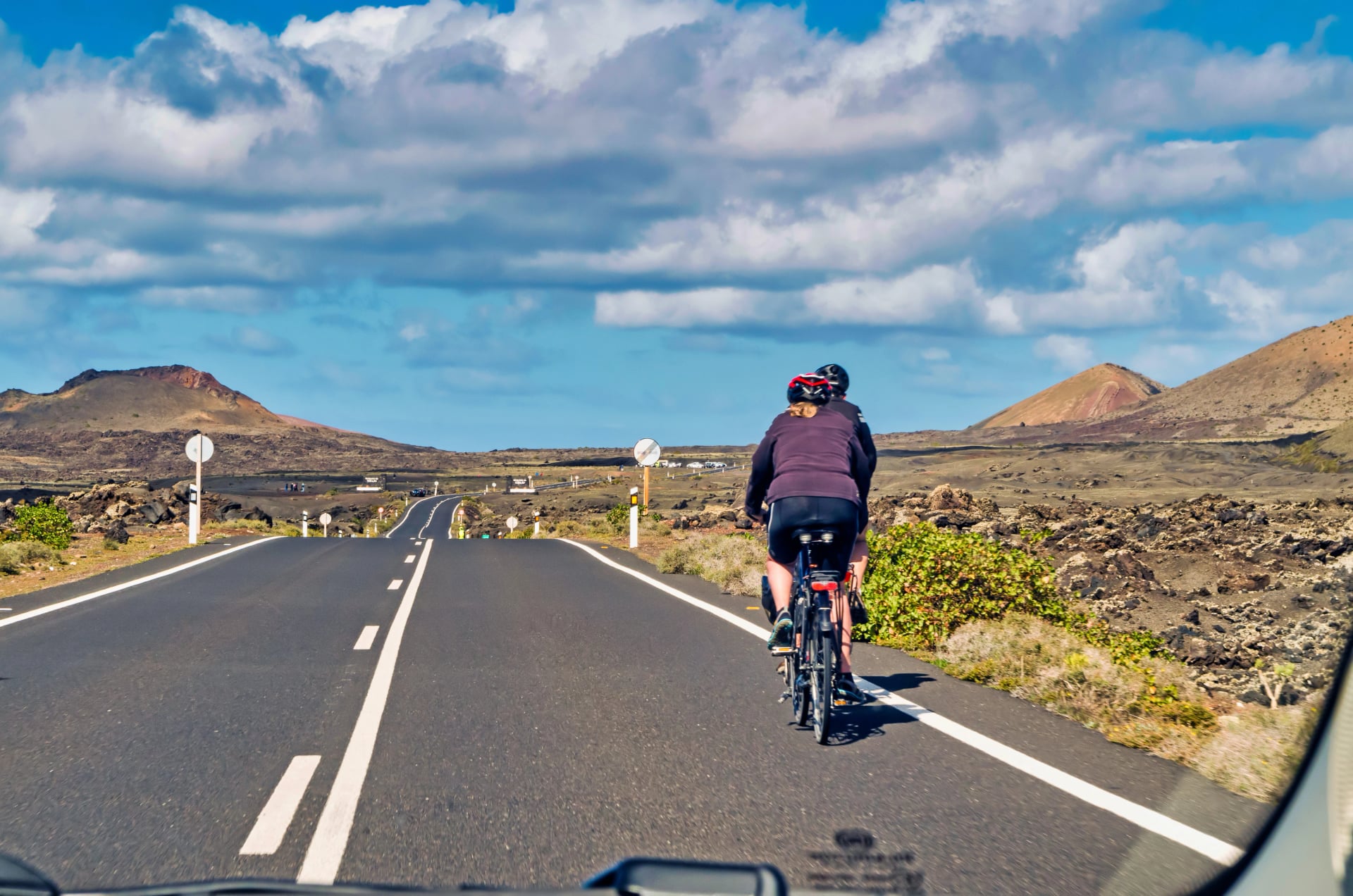
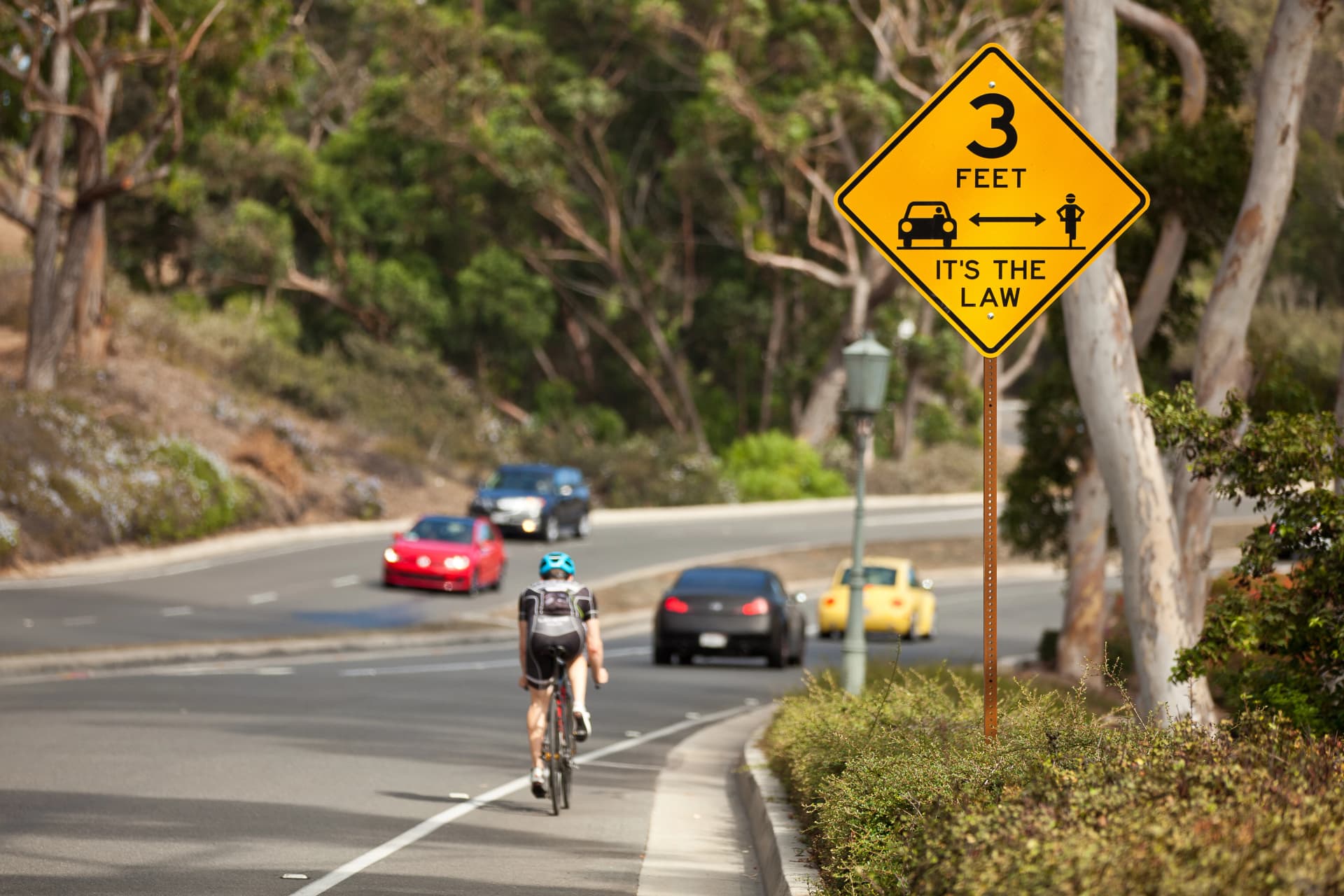
Certain roads, including the famous Timanfaya route and La Geria wine region, are designated "Vías Ciclistas" — cyclist roads where cars are limited to 60 km/h and bikes have official priority. Motorists must leave a full 2 metres when overtaking (more than most of Europe), and the entire island markets itself as a cycling-friendly zone.
What a place to ride!
Spain: Helmet Rules Depend on Location
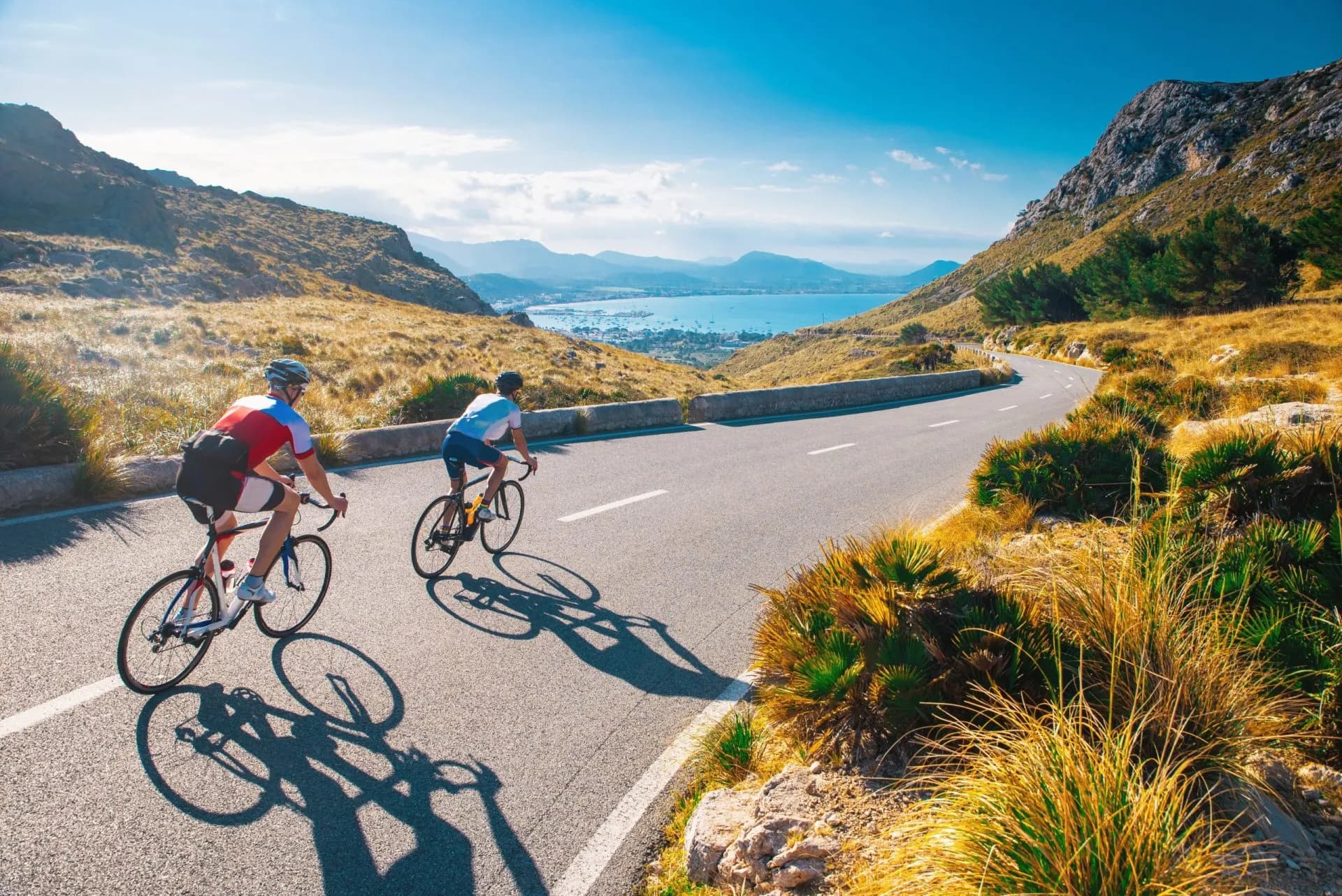
In Spain, helmets are mandatory outside urban areas — but not required within cities.

Confusing? A little. But if you're joining one of our cycling tours in Spain, you won't need to guess: helmets come with all our bike rentals.
Switzerland: Very Specific Equipment Rules
Swiss cycling regulations are detailed:
Working front (white) and rear (red) lights
Reflectors front and rear
A bell
Functional brakes on both wheels
Nothing is left to interpretation. Very Swiss.
On our Swiss bike tours, all rental bikes come fully equipped and road-legal — so you can focus on the scenery, not the fine print.

How to Skip the Legal Search?
Cycling laws around the world range from the sensible to the surreal. Some protect you. Some perplex you. And some — like the Missouri flagpole — thankfully never made it past the proposal stage.
Most importantly, you know that cycling just got a lot more fun — because half the adventure is knowing which ridiculous rules you're not breaking.
Of course, you could spend your next ride memorizing equipment regulations, decoding blue circle signs, and Googling whether your reflective vest meets EU standards.
Or you could let us handle all that.
Browse our cycling tours and ride the best roads in Europe — fully equipped, legally compliant, and 100% gargle-free.

About this author
Lan is our cycling manager and the obsessively organized planner you want in your support car — cool under pressure and always three turns ahead. When he's not mapping routes, he's enjoying his newest title: Dad.